
Cultivating Outdoor Nature-Based Education: Launch of CONNECT Project!

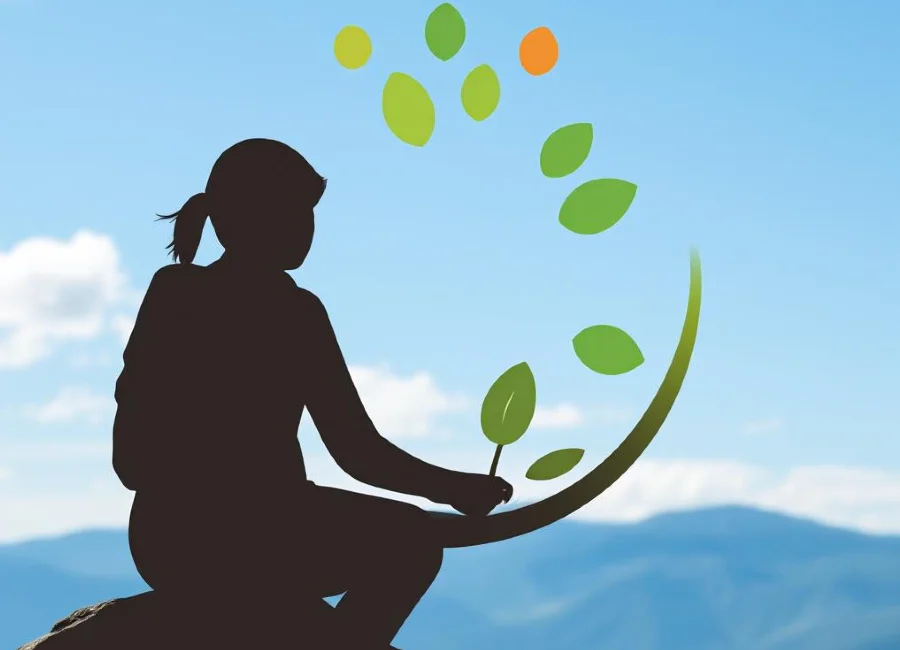
We are thrilled to announce the launch of the CONNECT Project — Cultivating Outdoor Nature-Based Education for Competence and Teaching — an exciting new European initiative aiming to reconnect students and teachers with nature through innovative outdoor learning practices.
Project Overview
The CONNECT project, financed by the European Union under the Erasmus+ Programme (Small-scale partnerships in school education – KA210-SCH), officially starts on 1st March 2025 and runs for 18 months, concluding on 30th July 2026.
This project seeks to foster environmental awareness, develop key competences, and promote wellbeing by moving educational activities into nature. Students and teachers will engage in experiential, outdoor learning experiences that encourage critical thinking, collaboration, creativity, and problem-solving skills while building a sustainable mindset.
Project Activities
The CONNECT project features a variety of engaging activities:
Transnational Kick-off Meeting: Teachers from all partner institutions will gather to kick off the project, exchange experiences, and plan future activities.
Student Mobility Events:
Mobility 1 in Lithuania: Focused on sustainability education and environmental stewardship.
Mobility 2 in Hungary: Dedicated to personal growth, health, and wellbeing through outdoor activities.
Mobility 3 in Greece: Emphasizing entrepreneurship, critical thinking, and problem-solving through connecting with nature.
Development of Educational Resources: Creation of a series of handbooks for teachers, filled with lesson plans, outdoor activities, and nature-based educational methods.
Partnership
The CONNECT project is a collaboration between four committed partners:
Érdi SZC Százhalombattai Széchenyi István Technikum és Gimnázium (Hungary) – Project Coordinator
Aksantys (France)
Panevezys Vytautas Zemkalnis Gymnasium (Lithuania)
Trito Geniko Lykeio Alexandroupolis (Greece)
Each partner brings unique expertise to the table, enriching the project’s approach with diverse educational experiences and a shared commitment to environmental education and innovative pedagogy.
Funding
This project is funded by the Erasmus+ Programme of the European Union, under the action “Small-Scale Partnerships in School Education”.
Stay Tuned!
Throughout the project, we will share news, best practices, and educational materials developed during the course of CONNECT. Together, we will inspire students and teachers across Europe to step outside, learn from nature, and build a greener, healthier future!

First CONNECT Learning Mobility Successfully Held in Lithuania
We are pleased to share that the first learning mobility of the CONNECT project successfully took place in Panevėžys, Lithuania, from 8–10 October 2025, hosted by our partner Panevėžys Vytautas Žemkalnis Gymnasium.
This mobility brought together students and teachers from all partner countries to participate in educational, cultural, and environmental activities connected to the project’s objectives.
During the mobility, participants had the opportunity to strengthen international cooperation, exchange experiences, and explore how outdoor learning can support sustainability education, wellbeing, and competence development.
Students and teachers took part in an ethnocultural culinary educational programmes, where they explored local traditions and cuisine.
Participants also visited Biržai Regional Park, where they experienced nature-based learning in practice through outdoor exploration activities. The programme included visits to:
- Visitor Center Exhibition
- Longest Pedestrian Bridge
- Astravas Manor
- Fresh Karst Sinkhole
- Kirkilai Karst Lakes
- Karvės Cave
- Barsuko Educational Trail
This visit provided participants with valuable examples of how natural environments can become meaningful learning spaces.
Participants also took part in a tree planting activity, directly leaving a positive impact on the local community. Students were also recognised during a certificate ceremony for their active participation in the mobility. It was an important milestone for the CONNECT project. It provided students and teachers with meaningful international learning experiences while demonstrating how outdoor education can support sustainability, wellbeing, inclusion, and active citizenship.
The important milestone for the CONNECT project was a meeting at Panevėžys City Municipality with local authorities, where our teachers presented project aims, activities, results and encouraged educational local policy makers to use CONNECT educational materials.
We would like to thank our Lithuanian partner for hosting this successful event and creating such an inspiring programme for all participants.
Stay tuned for more CONNECT activities and upcoming international mobilities!
Download Handbooks
🇬🇧 English
🇫🇷 French
🇬🇷 Greek
Our CONNECT Handbooks Are Out!
We are excited to announce that the CONNECT handbooks are now available for download!
Our partnership has developed a collection of practical educational resources designed to help teachers bring learning outdoors, reconnect students with nature, and support the development of key competences through sustainability education.
The handbook collection includes four practical resources:
Handbook 1: Social-Emotional Learning and Social Inclusion through Outdoor Learning and Nature-Based Activities
This handbook focuses on supporting young people’s emotional wellbeing, resilience, communication skills, and social inclusion through outdoor experiences and nature-based learning activities.
Handbook 2: Personal Growth, Physical and Mental Wellbeing through Outdoor Activities
This handbook explores how outdoor learning can improve physical health, mental wellbeing, movement, balance, and healthier lifestyles for young people.
Handbook 3: Environmental Stewardship with a Focus on Nature-Inspired Activities
This handbook helps students move from environmental awareness to real action by encouraging responsibility, care for nature, and sustainable everyday practices.
Handbook 4: Entrepreneurship, Problem-Solving and Critical Thinking in Nature-Inspired Activities
This handbook supports creativity, innovation, problem-solving, and entrepreneurial thinking by showing students how nature can inspire sustainable solutions for real-world challenges.
How are the handbooks structured?
All CONNECT handbooks follow the same clear and practical structure, making them easy for educators to use.
Part I – Theoretical Foundations
This section introduces the key concepts behind each topic and explains why outdoor learning and nature-based education are important in today’s world.
Part II – Good Practices and Practical Examples
This section presents inspiring examples, case studies, and successful approaches from different countries and educational settings.
Part III – Ready-to-Use Activities and Lesson Plans
This section provides practical lesson plans, activities, and tools that teachers can directly apply in their classrooms, schools, or local communities.
Who are they for?
The handbooks were primarily created for secondary school teachers, but they can also be used in primary education, teacher training, youth work, and non-formal education settings.
Available in 5 languages
All handbooks are available in:
- English
- Hungarian
- French
- Lithuanian
- Greek
We invite teachers, educators, schools, and youth workers to explore the handbooks and discover new ways to make learning more active, meaningful, and connected to nature.

CONNECT Mobility in Hungary: Turning Ideas into Long-Term Impact
From 11–13 March 2026, partners of the CONNECT project gathered in Százhalombatta, Hungary for another important international mobility hosted by Érdi SZC Százhalombattai Széchenyi István Technikum és Gimnázium.
This mobility represented an important step in transforming the project’s ideas into practical educational outcomes and ensuring that the long-term vision of CONNECT continues beyond the project itself.
During the meeting, partners reviewed the draft CONNECT handbooks and discussed how the educational materials could best support teachers in implementing outdoor learning methodologies in their schools. This was a key moment in the project, as the resources developed during months of collaboration began taking their final shape.
Participants also explored innovative examples of experiential learning through visits to the Agroverzum Centre of Science and Fun in Martonvásár, where they experienced interactive approaches to biology, geography, and environmental education. Outdoor learning continued in Budapest through nature-based activities that connected history, landscapes, and sustainability, showing how learning can happen in diverse environments beyond traditional classrooms.
One of the highlights of the mobility was the Sustainability Action Workshop, where participants worked together to design practical environmental solutions such as school garden elements and insect habitats. This activity reflected the core philosophy of CONNECT: learning by doing, cooperating across cultures, and creating meaningful actions that benefit local communities.
Beyond the planned activities, this mobility reinforced something even more important — a shared belief that education must evolve to prepare young people for future environmental and social challenges. Through outdoor learning, sustainability education, and international cooperation, CONNECT continues to promote education that is more practical, human-centred, and connected to the real world.
The Hungary mobility demonstrated that sustainable education is not only about learning new concepts — it is about creating lasting habits, stronger communities, and empowering young people to become active contributors to a better future.

Final CONNECT Student Mobility Successfully Completed in Greece
The final student mobility of the CONNECT project took place in Alexandroupolis, Greece, from 20–22 April 2026, hosted by our Greek partner, Trito Geniko Lykeio Alexandroupolis.
This mobility marked an important closing chapter of our international journey, bringing together students and teachers from all partner countries for one final learning experience focused on sustainability, outdoor education, and international cooperation.
Throughout the mobility, participants explored how nature can become both a classroom and a source of inspiration for responsible action. Students exchanged ideas about national parks in their countries, shared experiences from their daily lives, and learned about local history through interactive activities and cultural exploration.
The programme also offered valuable outdoor learning experiences, including visits to the Evros Forest ecosystem, Dadia Forest National Park, and important local cultural sites, helping participants better understand the connection between environmental protection, entrepeneurship, local heritage, and sustainable development.
A particularly meaningful part of the mobility was the focus on practical sustainability solutions. Students participated in activities related to recycling and circular economy practices, including workshops on reusing cooking oil and transforming waste materials into useful products. These activities demonstrated how environmental responsibility can be translated into everyday action.
More importantly, this final mobility was not simply the conclusion of a project activity — it represented the long-term vision of CONNECT. Throughout the project, students discovered that learning can happen beyond classroom walls, that nature can inspire creativity and wellbeing, and that international cooperation can create lasting friendships and shared responsibility for the future.
The final mobility highlighted what CONNECT has been about from the very beginning: empowering young people to become more environmentally aware, socially responsible, and prepared to create sustainable solutions for their communities.
As this mobility concluded, participants returned home not only with certificates, memories, and new friendships, but also with new perspectives on education, sustainability, and their role in shaping a better future.
While this was the final mobility, it is only the beginning of the long-term impact CONNECT hopes to create in schools, communities, and future generations.


